Commercial Storm Damage in Heritage Lake, IN
When a curtain wall or rooftop unit curb lets storm water in, Heritage Lake Water Restoration dries what it leaves behind in Heritage Lake.
Heritage Lake Water Restoration delivers Commercial Storm Damage across Heritage Lake and surrounding areas with certified crews available 24/7 and every step documented for insurance. Call (463) 241-6041.
- Service: Commercial Storm Damage for Heritage Lake homeowners
- Service area: Heritage Lake, IN and surrounding areas
- Response time: Emergency calls from Heritage Lake dispatched immediately, day or night
- Licensed and insured (License #RC21100059)
- Serving Heritage Lake, IN since 2018
Commercial Storm Damage Cleanup in Heritage Lake
We handle commercial storm damage cleanup across Heritage Lake, and we'll work around the parts of the building that need to stay open.
Storms Here
Large hail and damaging wind can hit here, and that puts roofs and rooftop equipment at risk. NWS Indianapolis posts summaries of past storms, which helps when your carrier asks for a date.
We respond to storm calls from businesses anywhere in Heritage Lake, including those around North Putnam High School and Heritage Lake Clubhouse. We also handle commercial storm damage in Coatesville, North Salem, Bainbridge and Roachdale.
Commercial Storm Damage for Heritage Lake Businesses
Wind lifts a corner of the membrane, rain drives in under it for a few hours, and by morning the insulation in the roof assembly is holding water that has nowhere to go. That water keeps releasing into the deck and the ceiling below for days. Heritage Lake Water Restoration dispatches to Heritage Lake, IN commercial properties within two hours to dry in the opening and pull readings through the assembly and the floors underneath.
Photos get taken the same way on every visit, with a wide view of the room from a marked position and a close up of each reading with the meter in frame. Each image carries the room name and the date. When the file for your Heritage Lake building is reviewed months later, anyone can match a photo to its wall and its reading.
Contents at your Heritage Lake property move ahead of extraction. Stock sitting on a wet floor gets lifted onto blocking or carried to dry ground, starting with whatever absorbs water fastest, such as cardboard and paper. Equipment that can't be moved gets wrapped in plastic. Heritage Lake Water Restoration lists what moved and where it went, which gives each tenant a record to attach to its own claim.
You can authorize emergency mitigation before an adjuster has been out, and your policy may expect you to limit further damage, so check it or ask your broker. Heritage Lake Water Restoration gets a signed work authorization and a scope for the emergency phase, documents preexisting condition where it's visible, and keeps the mitigation invoice separate from reconstruction so each piece can be reviewed on its own terms.
If you're deciding who to call first, call Heritage Lake Water Restoration. Heritage Lake Water Restoration handles the dry in and the drying underneath it, so the roof and the interior stay coordinated at your Heritage Lake property. Two hour dispatch, day or night, and a moisture log that starts on the first visit.
Signs You Need Commercial Storm Damage Restoration
If you notice any of these in your Heritage Lake building, schedule a free inspection before the issue worsens.
Roof drain piping dripping at a joint inside a chase or above the ceiling
Corrosion on a fire sprinkler line or head where the pipe runs close to the roof deck
Water tracking under the seals of overhead dock doors and pooling in the leveler pit
Loose or lifted metal coping on a parapet wall, with fasteners backed out of the wood blocking
Carpet tile that squishes underfoot along the glass line of a storefront or window wall
Interior wall base swelling, delaminating, or pulling away from the gypsum behind it
Floor boxes near the glass line with corrosion or standing water inside
Mechanical room floor drains that fill during heavy rain and empty slowly afterward
Window sills or curtain wall mullions holding water on the inside face after wind driven rain
Daylight visible through a roof penetration curb or around the flashing at a rooftop unit
How Heritage Lake Water Restoration Handles Commercial Storm Damage
We follow these steps in order on every Heritage Lake job.
Two Hour Dispatch
A crew dispatches to your Heritage Lake commercial property within two hours of the call with extraction units, dry in materials, thermal imaging and moisture meters. Work starts on arrival while the team confirms building access, after hours contacts, and which spaces have to stay open.
Moisture Mapping
Every affected space gets walked with thermal imaging and both penetrating and nonpenetrating meters. Readings are keyed to a floor plan by room or column line, so the scope covers where the water went and leaves dry areas alone.
Occupied Space Planning
Suites and corridors that must stay in service get marked on the plan before any equipment is staged, along with where the barriers go. The loud work is scheduled for hours when the space is empty.
Slab and Dock Floor Checks
Concrete at a dock or in a warehouse holds water well after the surface dries, so the crew probes the slab at marked spots and keeps dehumidification and air movement running until the readings level off.
Equipment Out and Space Release
As each area reaches its dry goal, the equipment comes out of it and the space goes back to the tenant. The release date and final readings for every area go in the file.
Commercial Storm Damage in Heritage Lake
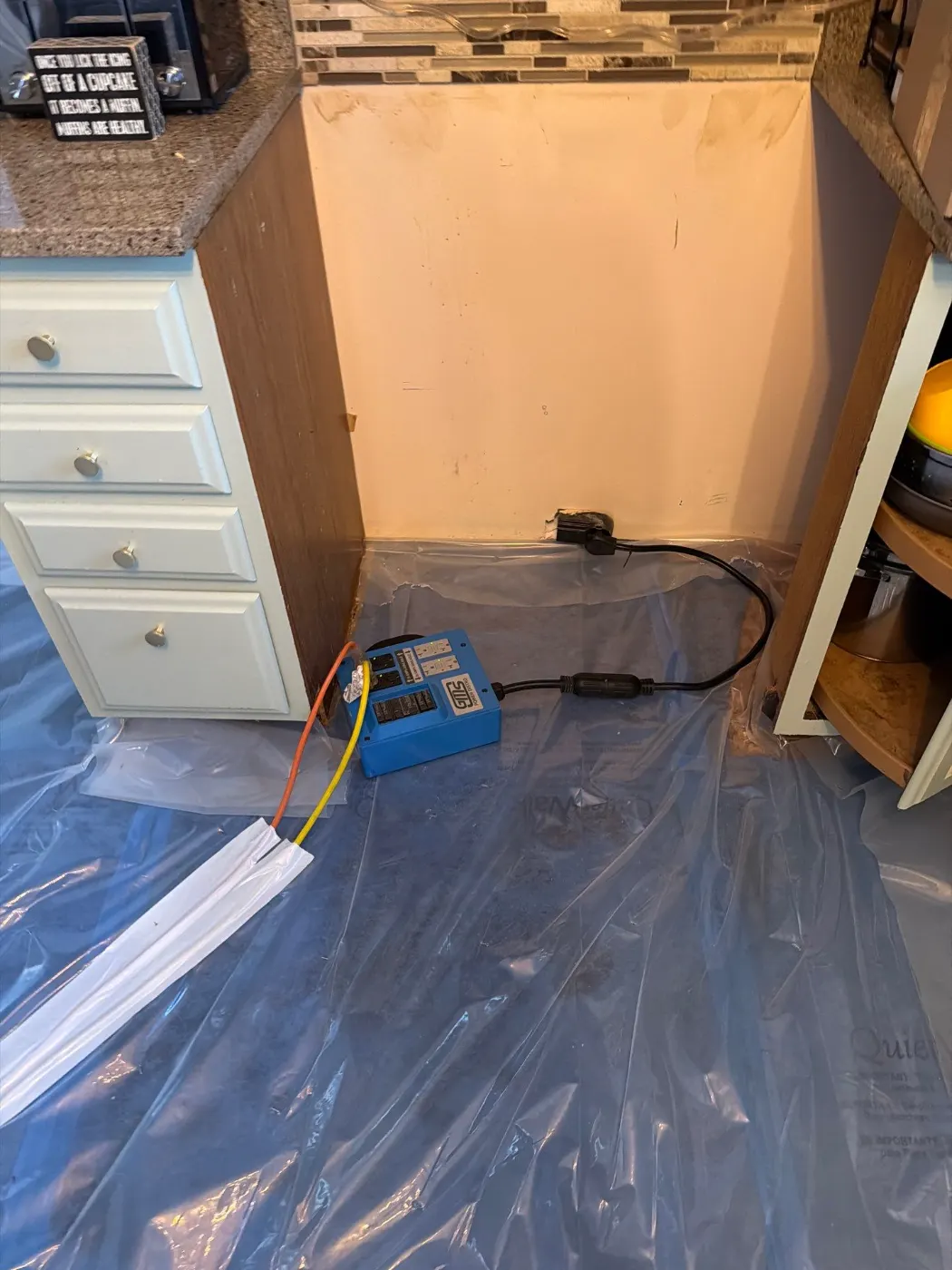
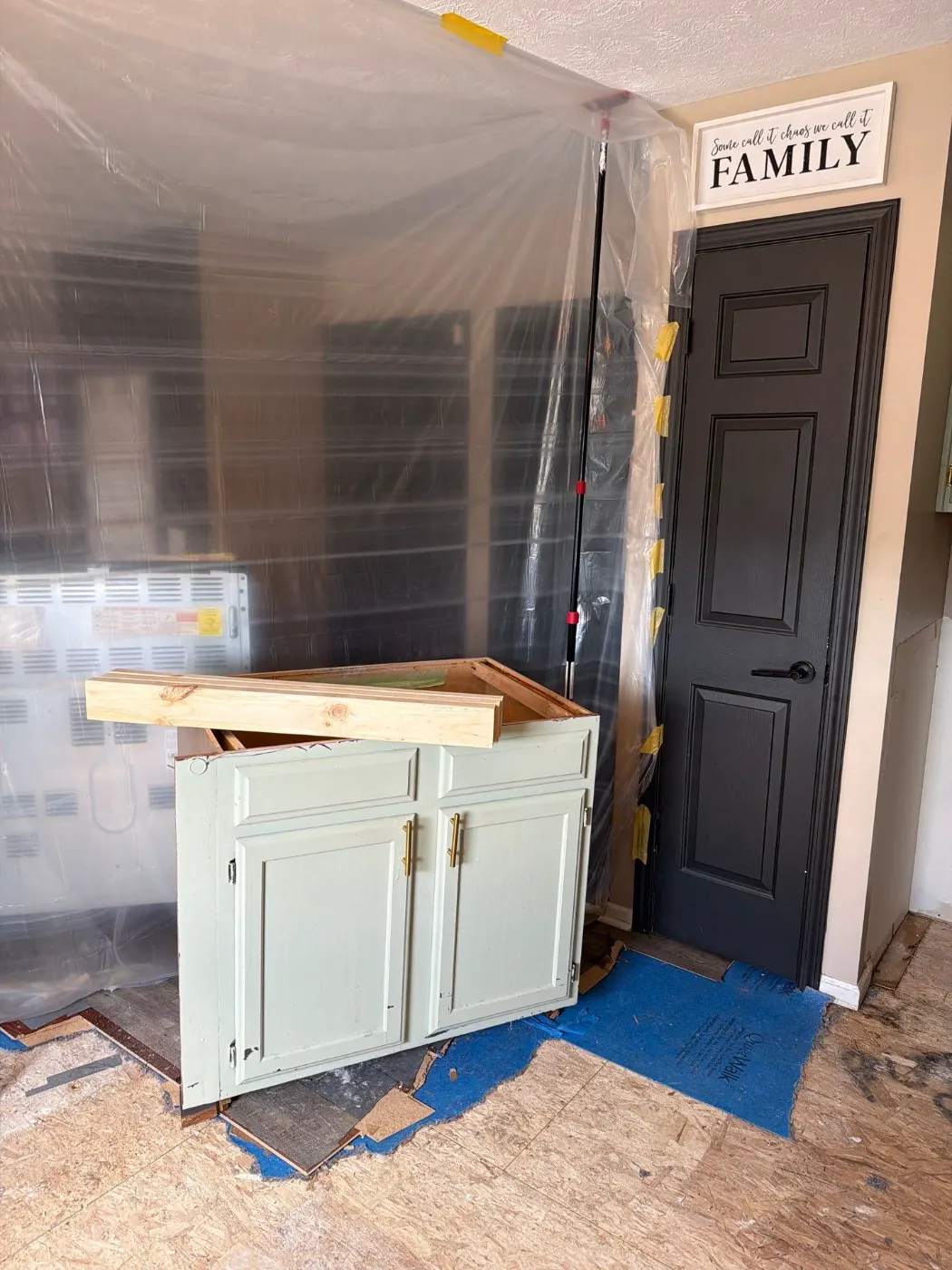
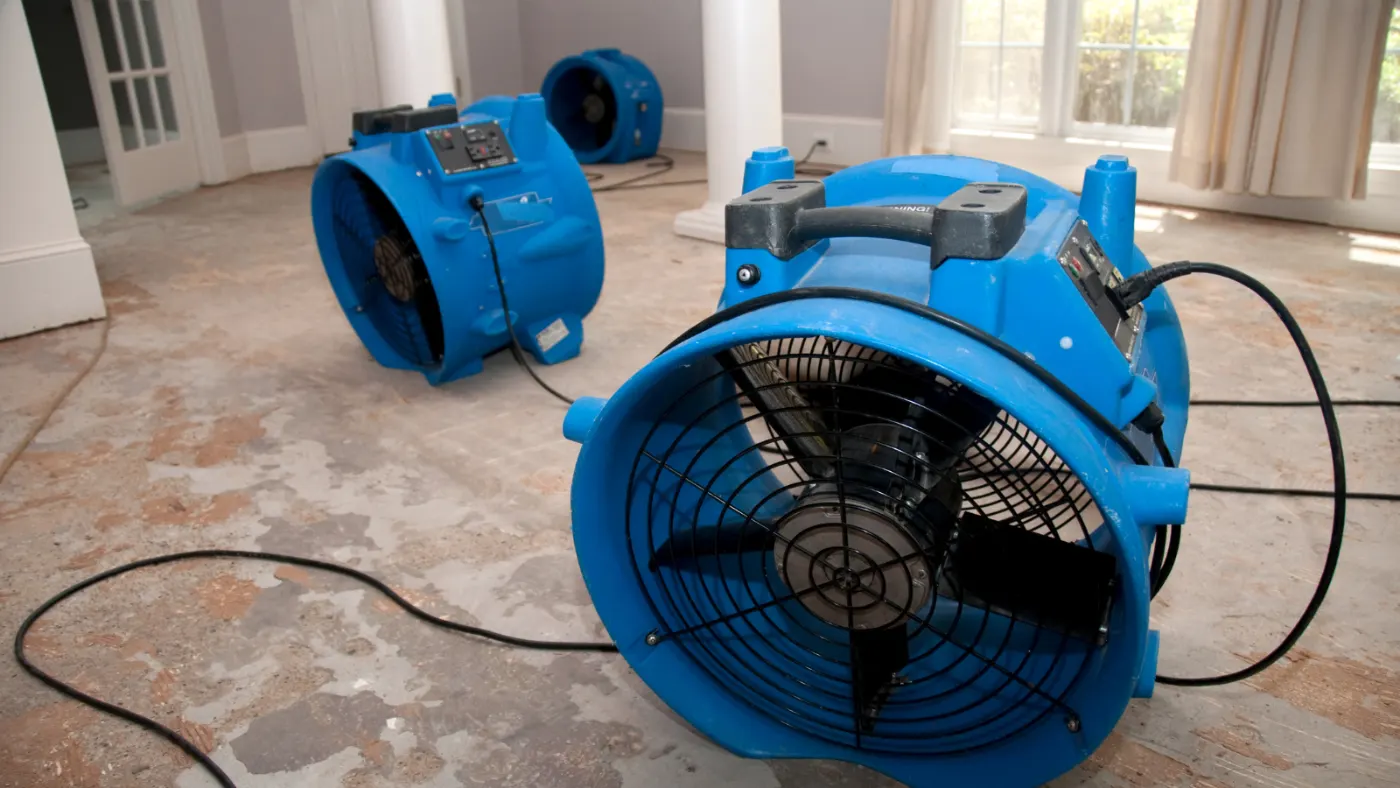
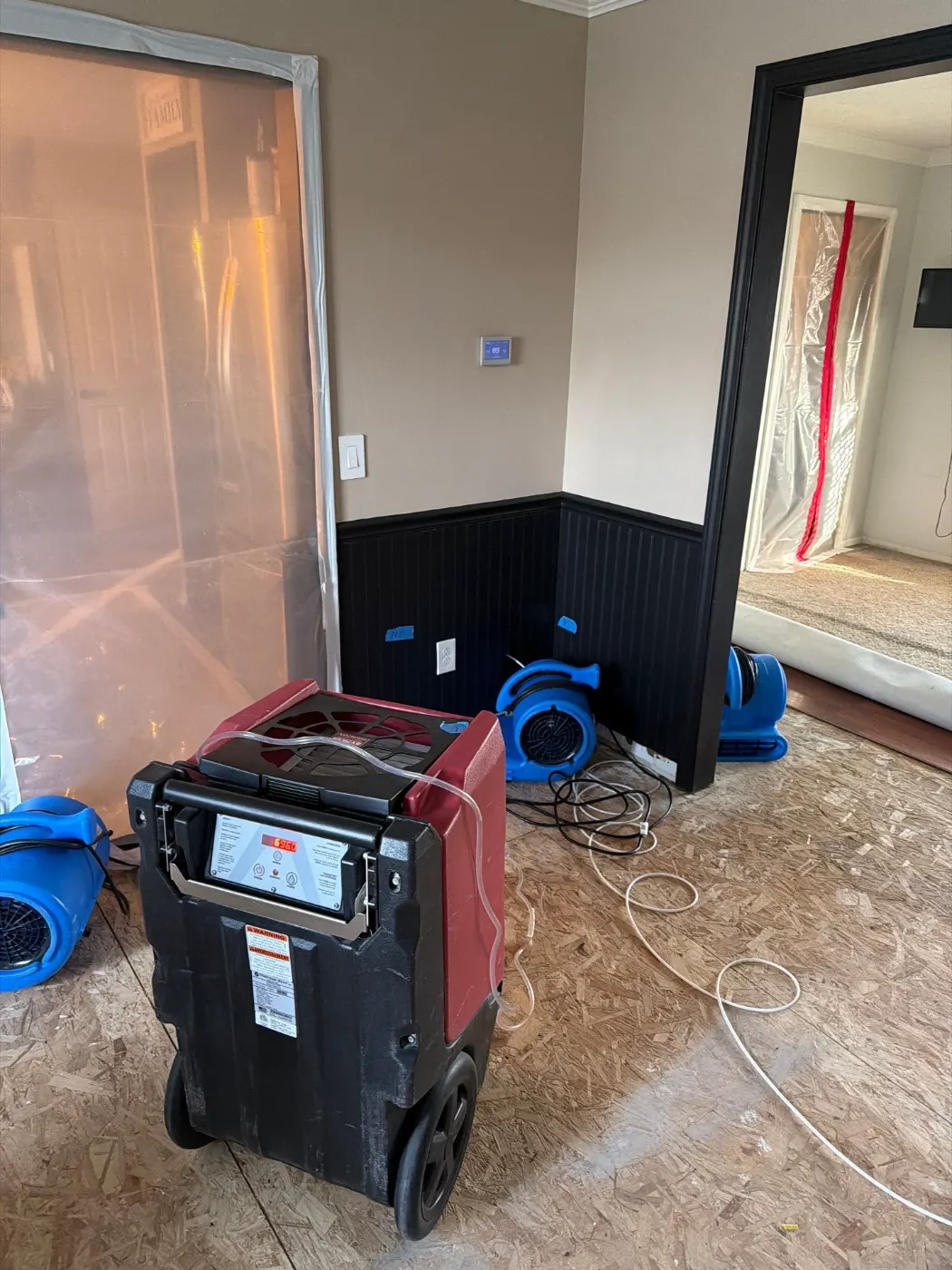
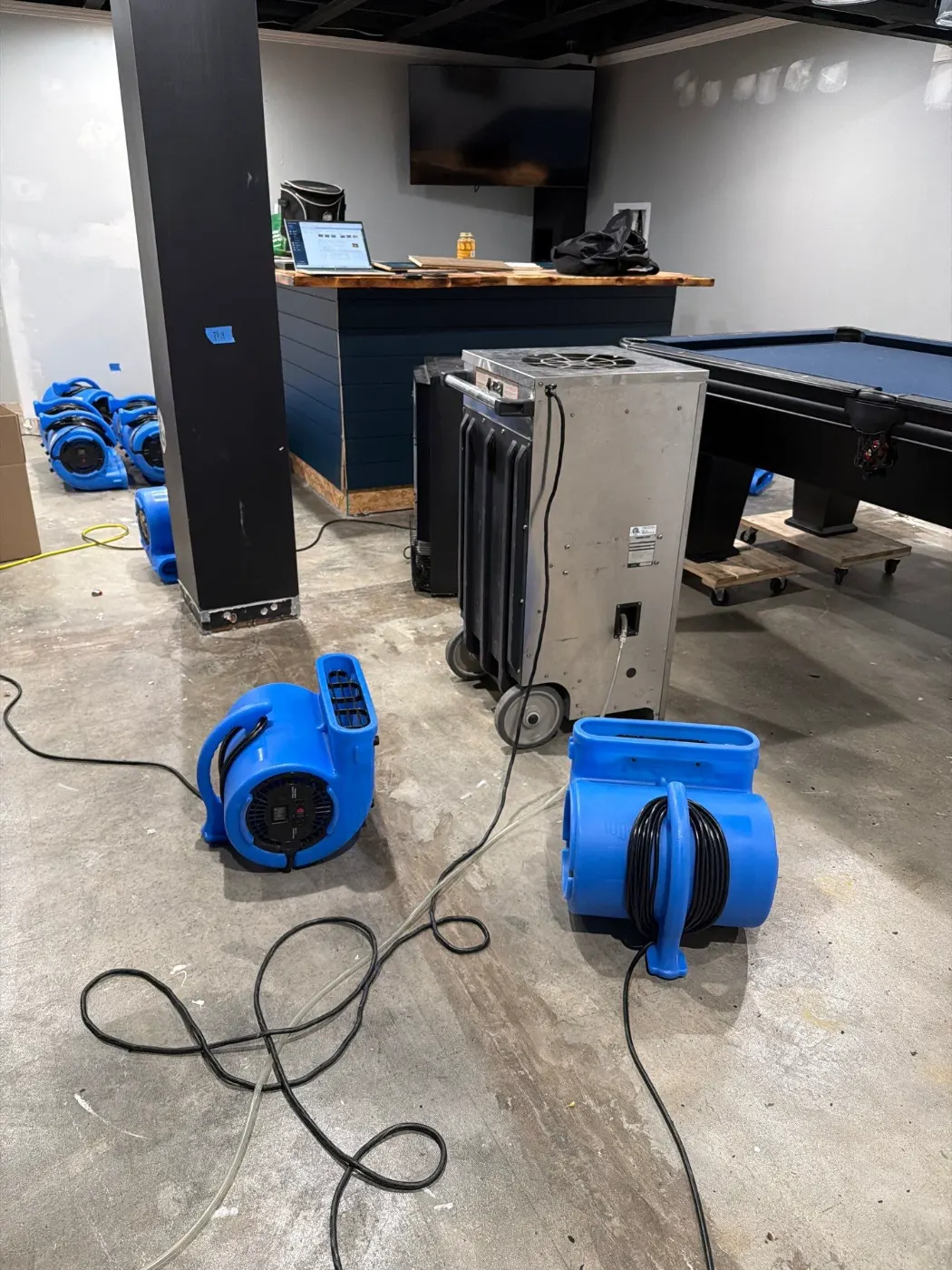
Photographs from real commercial storm damage jobs completed by our crew in Heritage Lake and surrounding areas.
Commercial Storm Damage FAQ
Questions Heritage Lake property managers ask us about commercial storm damage restoration.
Guidance and Standards for Commercial Storm Damage
- The National Weather Service office in Indianapolis posts summaries of recent central Indiana storm and flood events. NWS Indianapolis Event Summaries
- The ANSI/IICRC S500 is the published standard for professional water damage restoration. The current edition is the Fifth Edition, 2021. IICRC S500 Standard
Heritage Lake Neighborhoods We Serve
We take commercial storm damage calls in every part of Heritage Lake. Pick your neighborhood for local details.
Other Restoration Services in Heritage Lake
Heritage Lake Water Restoration handles the full scope of restoration work. Explore our other services below.
Water Damage Restoration in Heritage Lake
24/7 emergency response. IICRC certified water restoration from extraction to full dry out.
Learn more →Basement Flooding in Heritage Lake
Basement water emergencies handled fast. Extraction, drying, mold prevention.
Learn more →Sewage Cleanup in Heritage Lake
Category 3 biohazard cleanup. Full containment, decontamination, structural restoration.
Learn more →Request Commercial Storm Damage Restoration
Reach Us Directly
Our team is available 24/7 for emergencies and ready to schedule inspections during business hours.
Need Immediate Help?
For active water or mold emergencies, call us directly. We are available 24/7.